

Why focus so intently on furnishing the living room? The lounge is where we welcome guests and where the family gathers to spend quality time together—in short, a space that must reflect the character of its inhabitants and adapt to their everyday needs. Bespoke customization is essential: whether dealing with a historic residence featuring refined architectural details or a contemporary apartment with versatile possibilities, the interior design approach will differ. In both cases, however, the primary objective remains the same: allowing the personality of those who live there to shine through, creating unique environments through a masterful use of color. Here are our insights for decorating the living room with sophistication and flair, featuring two complete design concepts tailored to distinct architectural styles to inspire a wide array of interiors.
HOW TO FURNISH A MODERN APARTMENT LIVING ROOM
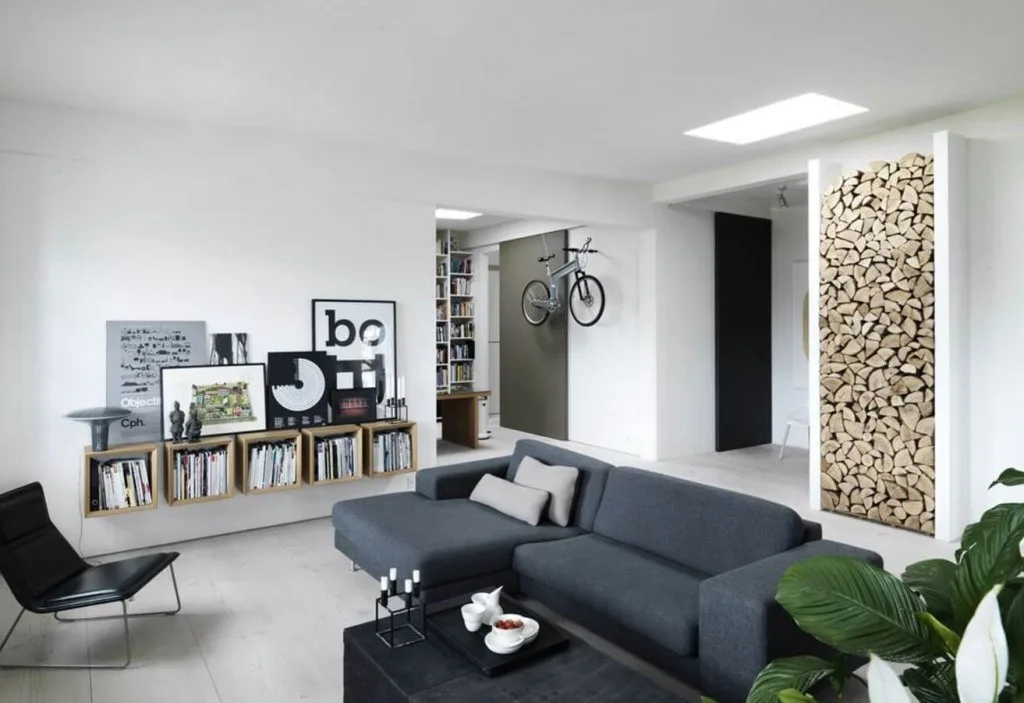
How often do we encounter apartments—even spacious and well-structured ones—that feel remarkably uniform? Quite frequently, the occupants have not managed to impart true character to their living space, leaving it somewhat anonymous and without a defined style. While modern apartments often feature standard materials and finishes, this need not be a limitation; on the contrary, it presents an opportunity to play even more with furnishings and accessories, free from structural constraints. So, how should one curate such a living room?
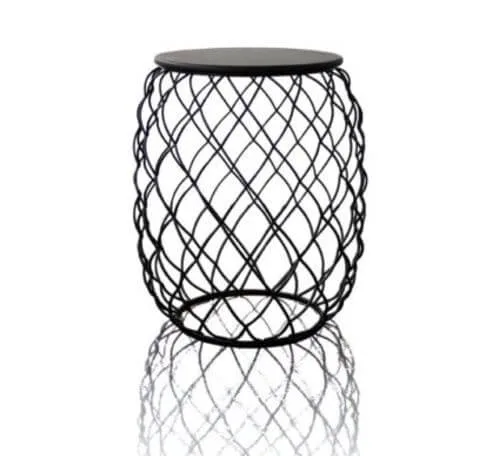
Beyond color, we can also experiment with forms to achieve a warm, welcoming space that is entirely unique and aligned with the owner's lifestyle. For instance, the sofa does not need to be oversized: it is better to pair an essential design with soft contours and a curated color choice, such as the M.A.S.S.A.S. sofa with chaise longue by Moroso. The rug and coffee table—such as the Piña by Magis (center bottom)—anchor the arrangement, completing and warming the room while discreetly concealing a floor that may lack distinction.
In contemporary apartments, the television is typically an integral part of the living area. However, it shouldn't dictate the space: when integrated into a sophisticated media console, it can be subtly disguised while adding architectural value. The Ritratti cabinet by MOGG (below right) makes a dramatic statement: crafted from phenolic laminated wood with a dual gloss-and-matte resin finish, this freestanding piece boasts rich decorative flair that elevates the entire living space.
Another element ideal for personalizing a space is the floor lamp, which illuminates, warms, and enriches overlooked corners of the lounge. Moreover, it offers ultimate flexibility: lighting can be adapted to any occasion, from hosting an evening party to enjoying a quiet movie night on the sofa. The bamboo lamps by LaSfera are perfect for the living room, creating a warm, ambient glow while remaining exquisite design objects in their own right even when turned off.
KNOWING HOW TO ELEVATE DISTINCTIVE SPACES IS THE ESSENCE OF OUR WORK
HOW TO DESIGN THE LIVING AREA OF A SOPHISTICATED PERIOD HOME
A residence defined by soaring ceilings, tall windows, architectural arches, classic herringbone parquet or marble floors, and perhaps a fireplace presents an inherently luxurious canvas. Because these spaces are already rich in fine materials and architectural detail, homeowners often hesitate to introduce vibrant colors for fear of overwhelming the setting. In reality, color was historically an essential element in period homes—from ceiling frescoes to exquisite upholstery fabrics—defining authentic Italian taste and elegance. Color creates that distinct flair that elevates a room. Sometimes, a single statement piece in a unique hue—such as a vibrant sofa, accent armchairs, or dining chairs—is all it takes to accentuate the room and create a truly sophisticated ambience.
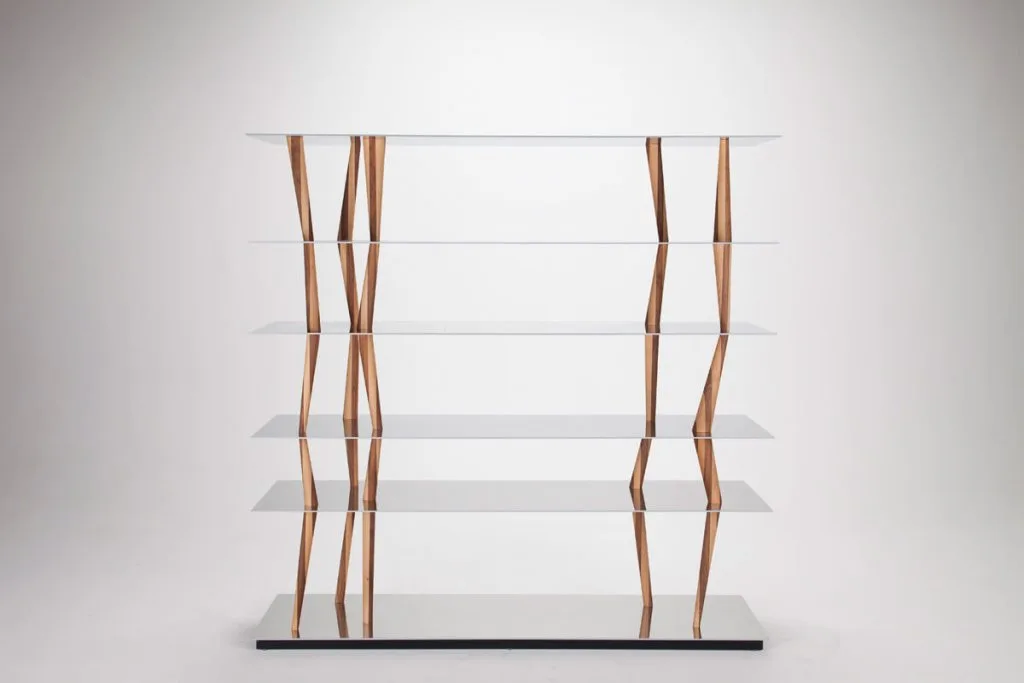
When furnishing the living area of a historic home, an outstanding example is the Sloane sofa by Fendi (pictured above) in ultramarine blue velvet with perforated white leather trim: its sumptuous fabric pairs seamlessly with timeless architecture, achieving a harmonious yet striking visual effect. To partition expansive rooms, typical of period properties, screen bookcases such as the Sendai Bookcase by Horm (right) serve as ideal space dividers. Constructed with paired solid wood posts turned into conical forms that echo classic two-tone timber flooring, it features reflective polycarbonate shelves that enhance natural light and maintain fluid architectural lines.
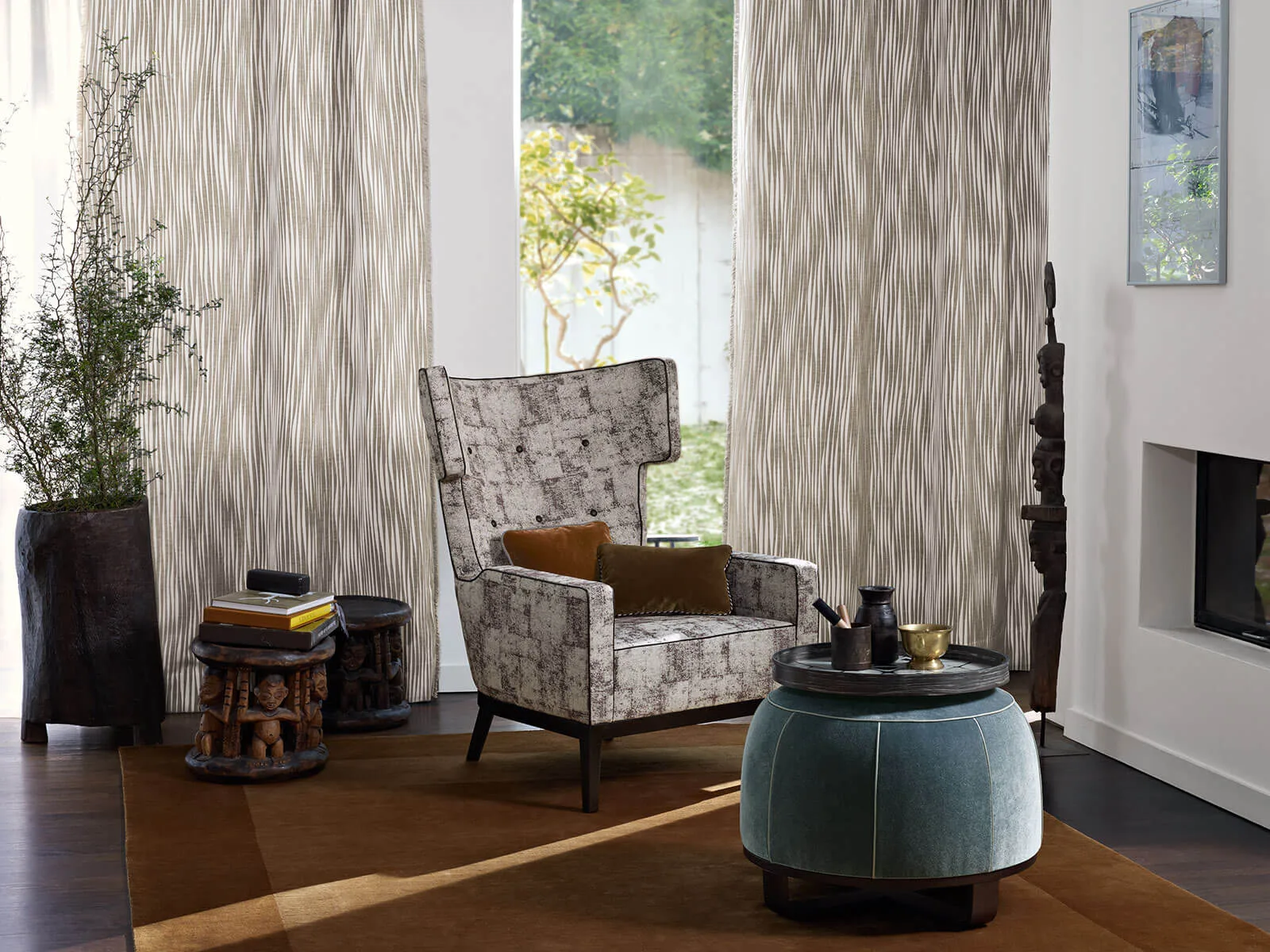
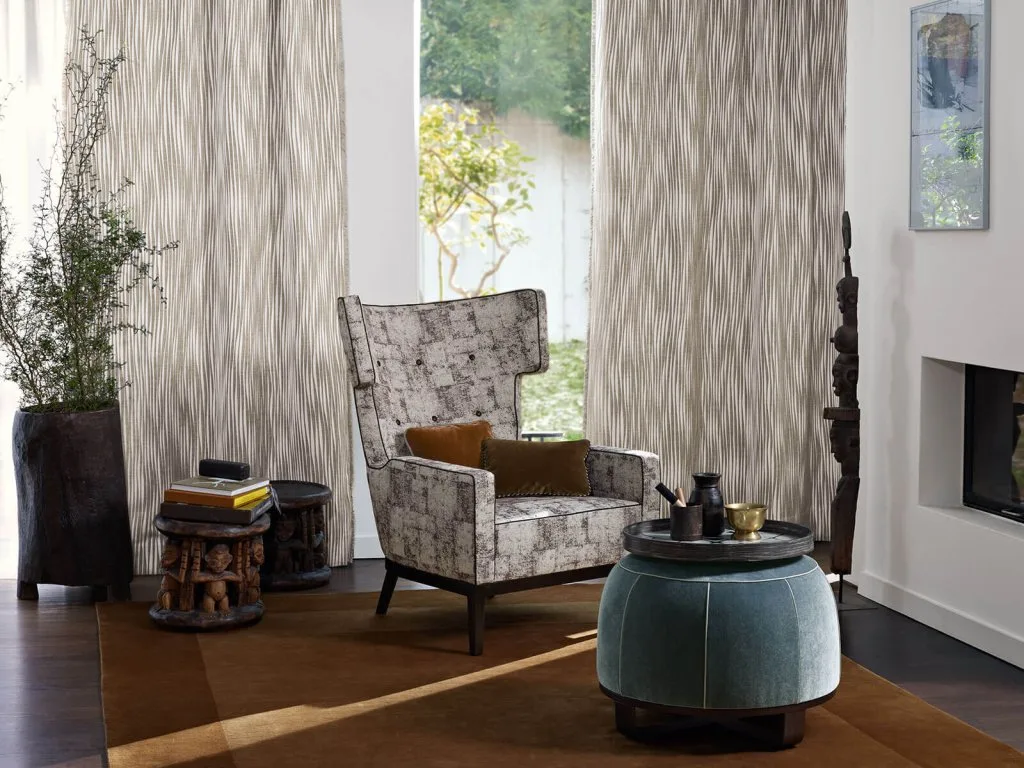
In homes with soaring ceilings and expansive window openings, lighting becomes a centerpiece of the interior scheme, accentuating fine craftsmanship and highlighting the three-dimensionality of the space. For instance, the Transmission lamp by Lasvit (bottom right), crafted in Bohemian crystal, provides the perfect accent for such a refined environment, leveraging a precious material that evokes historic grandeur. To complete the lounge, do not hesitate to make a bold choice with window treatments: select fabrics with a natural texture that frame the room without overwhelming it. An ideal choice for a historic residence is the Blues fabric drapery by Zimmer + Rohde—sumptuously soft and tactile, its subtle gauzy texture allows natural light to filter gently into the living room.
In conclusion, there is no one-size-fits-all formula for furnishing a living room: one must consider the architectural framework, the style of the residence, and the personal taste of those who live there. Only through this bespoke approach can one achieve a masterly blend of functionality and aesthetics, resulting in a unique, beautiful home you will love to live in.
Request Information