

Deciding how to decorate your home's walls is always a challenging task: you must respect the existing mood if it is a renovation, or follow a careful plan if you are starting from scratch. Sophisticated and well-considered solutions can completely transform a space, infusing the home with personality and perfectly adapting to the inhabitant's taste. The choice of paint, wallpaper, or metal is deeply personal and depends heavily on the overall effect you wish to achieve. Generally, it is wise to let existing materials guide your wall decor, whether in an already furnished house or a new project. A primary starting point is often the presence of thresholds or flooring. Furthermore, it is always best to maintain a consistent color palette throughout the home to ensure a clear narrative thread and avoid impulsive decisions. We recognize that a house with high ceilings and exposed beams is quite different from a modern apartment with 2.70m ceilings; that is why we have curated optimal and trendy solutions for various types of living spaces.
DECORATING WALLS IN A MODERN APARTMENT
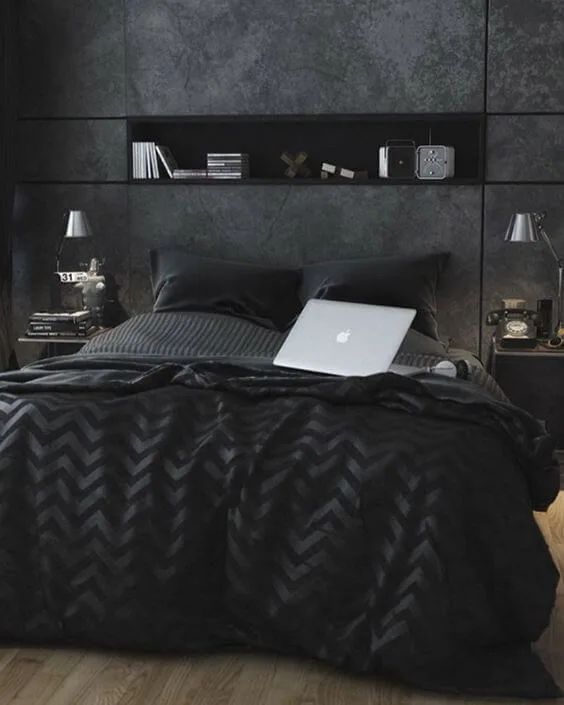
In this type of dwelling, the stylistic possibilities are vast. "Modern" implies an affinity for contemporary taste, and thanks to innovative materials, you can create a bespoke home. The two major trends of the moment—dark tones and jungle-themed wallpaper—reflect a return to nature, both in materials and the sensations they evoke. Both are captivating choices that lend a fresh, high-impact aesthetic, yet they differ significantly: dark shades are perfect for highlighting an "industrial" look characterized by sharp, precise lines. Dark walls pair beautifully with light wooden floors, such as oak, and luminous accents in copper or other metals. Conversely, jungle or floral wallpaper, used throughout a space or paired with neutral walls in the same palette, is perfect for those seeking to add a touch of warmth and originality. Thanks to new technologies, these wallpapers can even be used in bathrooms with "wet-system" technology, ensuring moisture does not damage your walls.
IDEAS FOR DECORATING WALLS IN A HISTORIC HOME
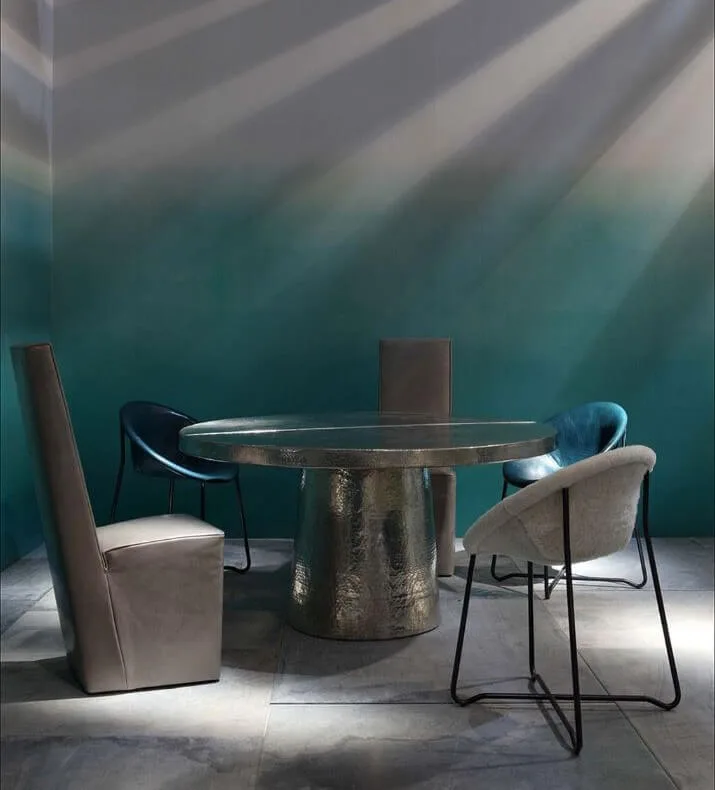
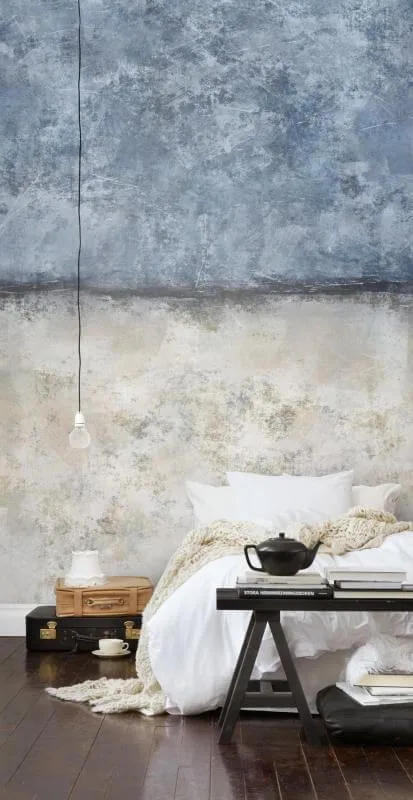
Homes of this kind possess immense personality, yet you can still intervene with subtle decorative touches. A fascinating new trend involves the use of watercolor-effect paints in shades of aquamarine, petrol, or air-force blue—the true must-haves of 2018. You might choose to paint entire walls from top to bottom, or use color to create a modern interpretation of wainscoting, revisiting a classic style. The chosen tones, inspired by water in various iterations, provide the space with depth as well as a dreamy, relaxing atmosphere. Another refined choice for wall decoration is using resin to create 3D tapestries in earth or slate tones; in this case, the subtle color provides a gentle suggestion of a motif on the wall, resulting in a discreet yet highly valuable finish. Resin treated this way is well-suited to historic homes that feature furniture with a modern flair—cleaner lines and a less overtly romantic atmosphere.
HOW TO DECORATE WALLS IN A HOME IMMERSED IN NATURE
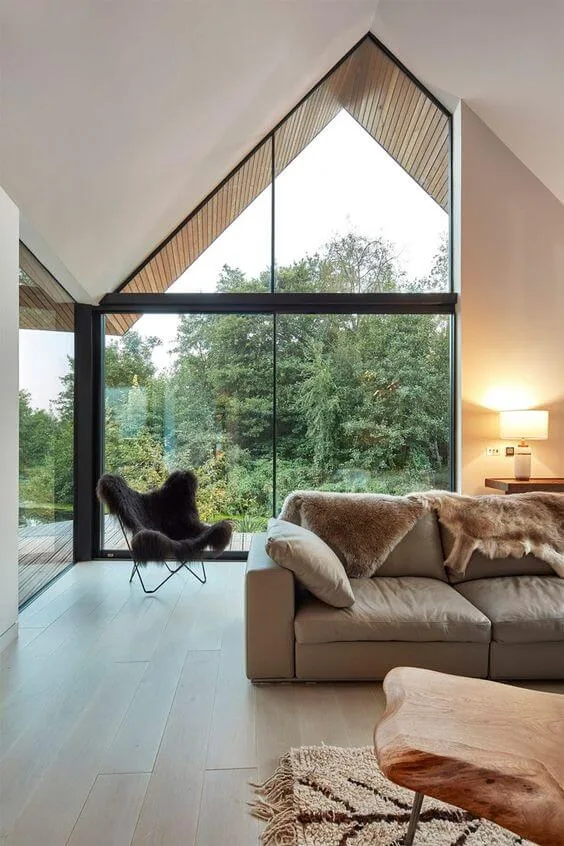
When decorating a home nestled in nature, one keyword is wood. Perfect for flooring and equally ideal for wall decor, wood creates a correspondence between the interior and exterior, engaging in a continuous dialogue with the landscape. One of the newest ideas is to lay continuous parquet that does not stop at the floor's edge, but climbs up one or more walls to create an "L" effect, or even a ribbon effect if it extends to the ceiling. In this case, it is best to use boards with a minimum width of 18 cm in a light essence—such as pink or bleached oak—of high quality (meaning few visible knots) to avoid making the space feel heavy. If covering a portion of the home entirely in wood does not appeal to you, another idea is to paint the walls in chalk white or a neutral color like PANTONE P1-1C to highlight the nature outside. A complementary trend, based on darker tones, is the use of cementine tiles with natural effects to reproduce that bond with the outdoors, decorated with large panels of oxidized and aged metal. These materials can be used in various combinations, from a space fully tiled in cementine with a single metallic detail—perhaps a bioethanol fireplace surround—to floors that coordinate with walls completely clad in the precious material. This play of alternating materials creates spaces with unique perspectives that enrich the room without burdening it. However, pay attention to the choice of furniture you plan to introduce: the strong presence of metal does not harmonize well with overly ornate decor; it is better to choose a more sober style characterized by a few specific details.
In any case, across the six suggestions and housing types we have examined, what emerges from the latest trends is a desire to create environments that are well-aligned in every aspect. This involves not only the structural "box" but also envisioning the future furniture to create color interplay that adds a unique touch to the home, personalizing it without overdoing it. While the chosen decor style is an important element to consider, stylistic hybridization is always possible: consider how floral wallpaper, which might seem more classic, fits harmoniously into a modern room, or how resin, a cutting-edge material, can be used to give a contemporary edge to the living room of a historic house.
Request information