

Furnishing the interior of a modern home means embracing rationality, simplicity, and functionality—it is an entirely new way of conceiving living spaces. As you will discover, however, there is no single modern style: modernity is a matter of personal choice. Our advice is to let yourself be inspired by creativity and imagination, guided by expert design tips, for a truly spectacular result.
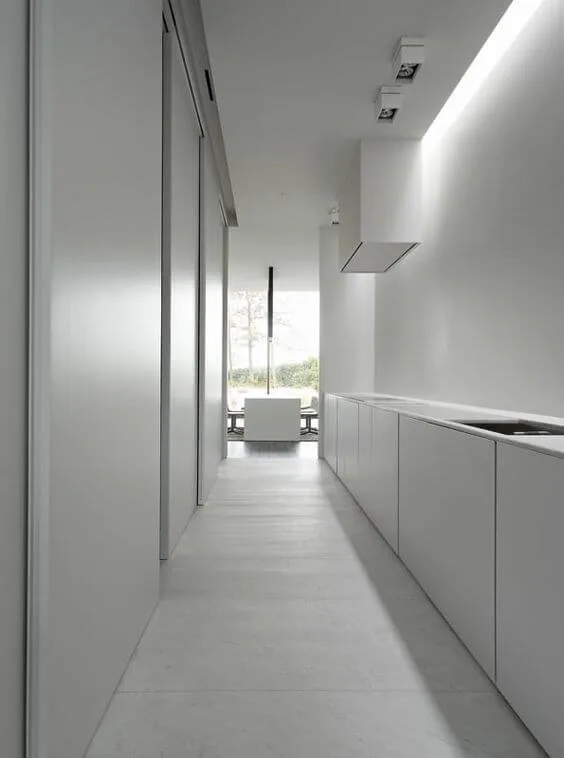
Minimalist Home Interiors
When it comes to modern home interiors, the minimalist decor style is undoubtedly the most well-known. Having grown in popularity over the last decade, it is perfect for those who love rigorous order, spacious and essential environments, and high-tech materials that favor glass, steel, and strictly white surfaces. The goal of this style is to be extremely practical and functional: a few well-organized surfaces, no excess—making it a perfect fit for the demands of contemporary living. Minimalist interiors are essentially geometric and linear, free of any ornamentation, and best suited for airy spaces like open-plan layouts and lofts. Minimalism prefers innovative materials such as Corian, Silestone, resins, concrete, glass, crystal, leather, and white plaster. The color palette is stripped down to the bare essentials: black and white. Thanks to cool, light tones and clean lines, this style can make a modern home feel exceptionally bright and spacious.
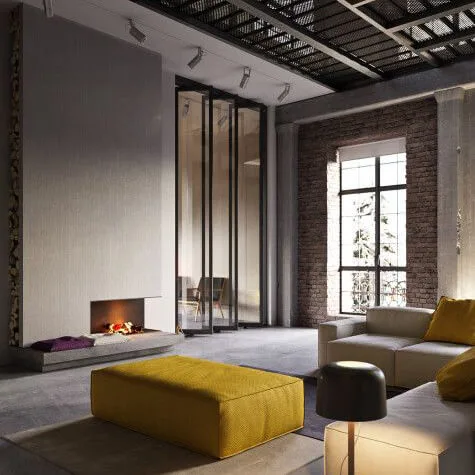
Industrial Home Interiors
If you don't particularly favor extreme minimalism, you might prefer the industrial style—a trend born in the United States during the 1980s with the aim of repurposing abandoned industrial buildings into residential lofts. The modern interiors typical of this youthful, dynamic, and metropolitan movement are characterized by incredibly simple designs, humble or reclaimed materials, and a highly natural feel. Red brick walls, concrete floors, or dark wood with a washed, weathered effect take center stage, alongside metals like blackened iron or Corten steel. The color palette of industrial decor spans from the dark tones of black leather to the warm hues of natural hide, paired with walls in shades of Marsala, caramel, amethyst purple, and bottle green. Just a few key pieces of furniture are enough—such as open-structure industrial iron shelves, aged light fixtures and chandeliers, and raw textiles in natural tones—to impart a sense of radical understatement and extreme sophistication. Unique accessories like vintage typewriters, exposed-gear clocks, pendulums, antique books, and vintage prints of great metropolises enrich the spaces of those who love this trend.
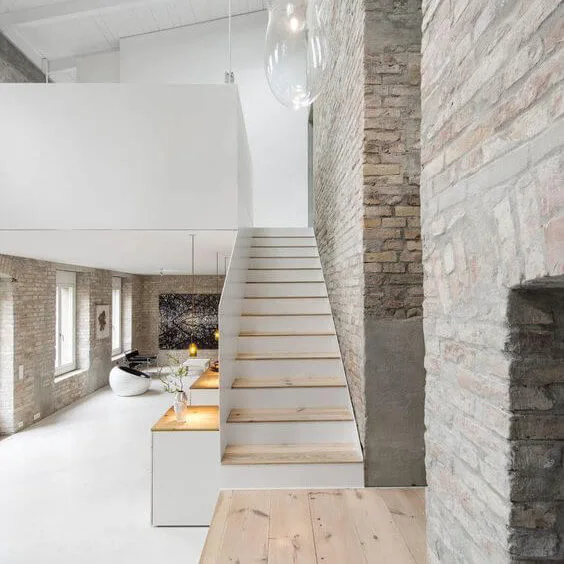
Nordic Style Interiors
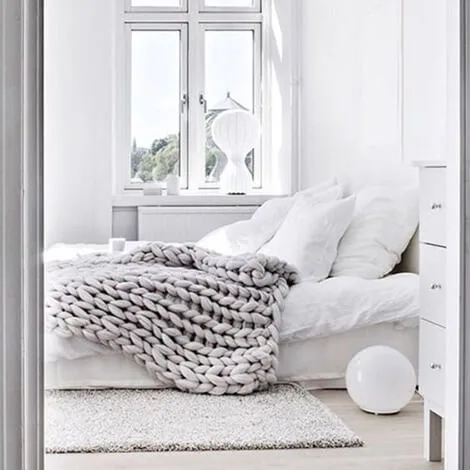
Highly contemporary, Nordic or Scandinavian style encompasses several currents: from Swedish minimalism and Danish romanticism to the high-contrast black-and-white typical of Finnish design. This interior style is characterized by a harmonious blend of simple, clean geometric shapes that never sacrifice functionality. Bleached oak or birch wood is undoubtedly the dominant material, used for parquet flooring, window frames, and bedroom or living room furniture—which is often hand-painted using DIY techniques. These simple materials are frequently paired with chunky, oversized knit textiles in natural or boiled wool, as well as light gauze and cottons. The key is to maintain light, understated yet warm tones, making shades from chalk to magnolia perfect, with subtle accents of warm grey.
Oriental Style Interiors
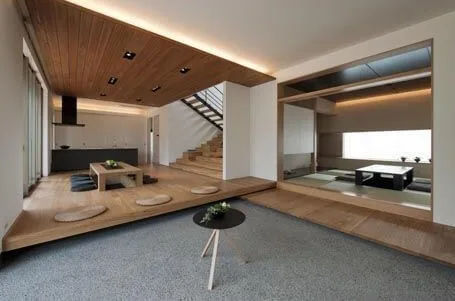
Finally, an Eastern stylistic influence invites us to blend and reinterpret the modern home by incorporating signature details of Japanese design. First, the layout of the home is reimagined according to the principles of Feng Shui, where every room and piece of furniture has a precise placement in terms of space and global orientation. Furthermore, these interiors are distinguished by the use of natural materials such as bamboo in various shades, alongside iconic pieces of Japanese living culture like the futon (the classic low-profile floor bed), double-textured tatami mats, semi-transparent rice paper room dividers, low coffee tables, and river pebble decorations. Natural light also plays a crucial role: we recommend using light, sheer curtains to let daytime light filter through, while paper lamps in the evening will cast a warm, soft, diffused glow.
Now that we have explored the characteristics of these different modern interior styles, are you ready to choose the one that best suits your home?
Now that we have explored the characteristics of these different modern interior styles, are you ready to choose the one that best suits your home?
Request Information