

How do you furnish a modern home with style? This is one of the questions most frequently asked by our clients. The answer is neither simple nor obvious. This approach to interior design emerged in response to a shift in how we live in our homes—a shift that has been underway for several years. Modern home decor adapts seamlessly to various property types, particularly apartments, lofts, and open-plan spaces. While applying it to country houses or mountain chalets can be more challenging, taking on the challenge in those settings often yields remarkably satisfying results!
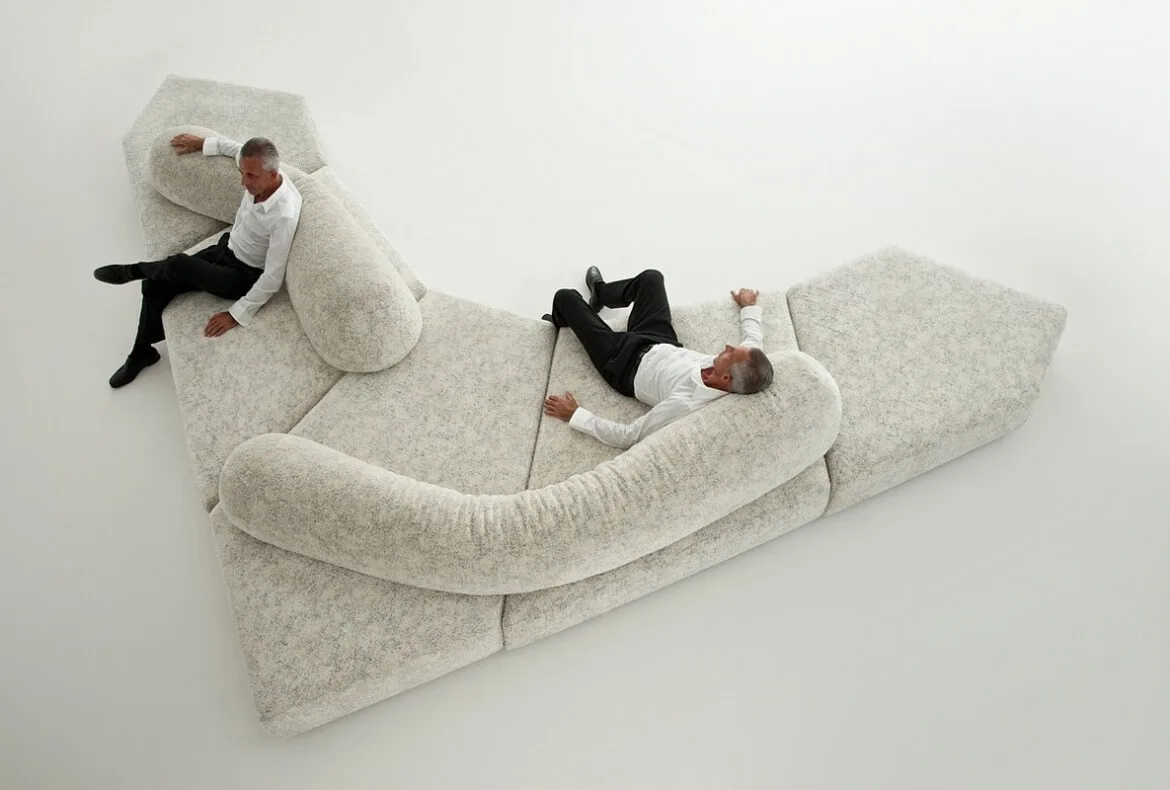
MODERN DECOR IS SYNONYMOUS WITH LIGHTNESS, SIMPLICITY, AND FUNCTIONALITY.
Modern architecture, materials, and furnishings are brought together rationally, where the purity of lines, forms, and colors becomes the expression of a timeless elegance that enhances the pleasure of home living. This style prioritizes practicality over excessive ornamentation: frivolity and ornate flourishes belong to the past, to a classic design style that holds little appeal for the contemporary audience.
The defining characteristics of this style include:
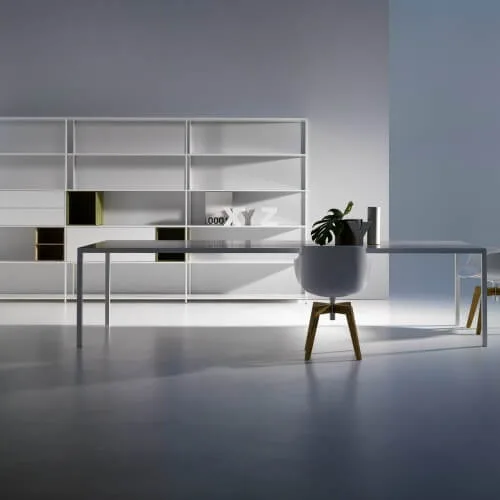
IDEAS AND ADVICE FOR FURNISHING A MODERN HOME
Everyone desires a luxurious yet practical and innovative home that reflects their lifestyle and aspirations—a sanctuary where they truly feel at HOME. Listening to suggestions from specialized professionals helps in selecting the finest solutions. Furnishing a home in a modern style means, above all, carefully selecting furniture with clean, linear, and essential shapes—what industry insiders refer to as 'fine lines.' These pieces are typically defined by pure geometric forms, requiring exceptional craftsmanship and meticulous curation to achieve a cohesive aesthetic. For instance, in wooden furniture, premium products are crafted from higher-grade, durable materials, often backed by eco-friendly and sustainable sourcing certifications.
Profiles are ultra-slim or completely seamless thanks to 45-degree miter joints; handles disappear in favor of push-pull opening mechanisms. Non-toxic coatings and modern hardware ensure lasting durability. Every contemporary accessory placed in a room must be positioned thoughtfully. Avoid placing all furniture flat against the walls; instead, create a layered visual perspective based on primary vantage points (such as the transition from kitchen to living room or entry to the sleeping quarters). While the trend leans toward keeping walls as airy as possible—adhering to the 'less is more' philosophy—space constraints often require fully utilizing one or more walls. In such cases, modular wall units serve as the ideal modern solution, balancing solid and open volumes. A detailed analysis of personal storage needs paired with precise spatial planning ensures airy yet functional storage. For smaller or darker apartments, we recommend light tones, mirrors, metals, and well-designed ceiling lighting to create the illusion of greater space.
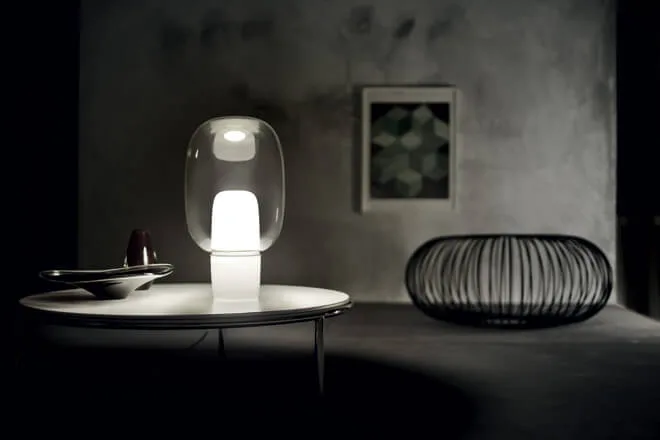
Technology and smart home automation play a vital role in a modern home. Energy-efficient appliances, induction cooktops, climate control, and underfloor heating take center stage. Light is equally crucial. Living areas should ideally face south to maximize natural sunlight and enhance comfort. Careful attention must also be given to artificial lighting through a dedicated lighting design project. Illuminating ceilings provides soft, ambient light, which should be paired with accent lighting for specific furniture or artwork. Modern LED technology creates continuous streams of light seamlessly integrated into drop ceilings, walls, staircases, and joinery (cabinets, display cases, sideboards, bookcases, wardrobes). LED lighting is beautiful, uniform, durable, and energy-efficient—BUT the light source (the diode itself) must be concealed to prevent an unwanted 'Christmas tree' effect.
MATERIALS AND COLORS FOR MODERN INTERIORS
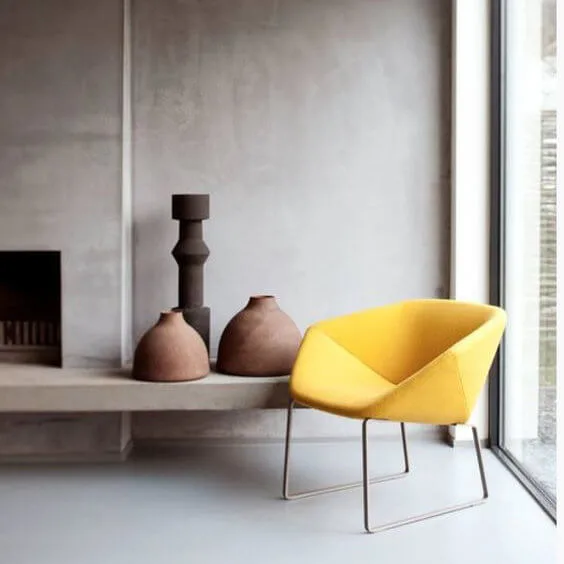
In a modern home, materials and colors can vary widely, but they should always reflect the residents' personal tastes. There is no right or wrong color—only choices considered in relation to individual preferences and existing architectural elements. For example, when highlighting a historic property with original moldings or frescoes, avoid colored lights that flatten detail; instead, accentuate strengths and soften weaker focal points. Conversely, if starting with a blank canvas, begin with clean white walls and a single decorative accent that reflects your personality—such as a fabric chosen for throw pillows or accent details. The key lies in aligning all subsequent design decisions with this foundational element, which serves as a guiding thread throughout the project.
From there, whether you choose exposed concrete, brick, painted drywall, or wallpaper, you will always have a unifying reference point. While pure white walls remain a timeless choice, current trends favor applying color over textured or wet plaster to imbue spaces with subtle depth. For those who prefer color, modern decor accommodates neutral tones like gray and dove gray, as well as bold, saturated hues. Steer clear of pastels; opt instead for striking contrasts like deep red and electric blue, or plum and lime green for bolder statements. Once your color palette is defined, apply it to accent walls or upholstered pieces, balancing accessories and textiles with restraint—remember, clutter dilutes modern aesthetic impact, so when in doubt, remove an element. Essential materials include high-quality natural options like solid wood, leather, linen, and natural stone—timeless elements refreshed through contemporary finishes for enduring durability.
Natural stone is no longer high-gloss; brushed, matte surfaces offer a far more refined appeal. Traditional glossy parquet has given way to non-toxic matte finishes that preserve the natural wood grain and hue while offering waterproof protection for low maintenance. Porcelain stoneware is currently one of the most popular surfacing materials in modern architecture, replacing traditional ceramics thanks to its durability and endless aesthetic options. For furniture and accents, metals play a key role—from brushed stainless steel and anodized aluminum to rich metallic accents like copper and burnished brass with contemporary patinas. Wooden furniture in natural species (oak, walnut) or matte and textured lacquers with metal accent feet or hardware remains enduringly stylish.
Steel remains the cornerstone of modern interior design—a versatile material suitable for structural features like staircases and handrails, high-end faucets, or framing details on shelving and furniture. Frequently paired with tempered glass for safety and transparency, this duo divides spaces functionally without adding visual weight, while light reflections add subtle dynamism. Plexiglas serves as a lighter alternative for curved furniture designs. Finally, fine natural textiles—pure linen, cotton, silk, and supple leather—are ideal for upholstery and floor-length drapery that elevates acoustic and visual comfort.
IN-DEPTH IDEAS FOR FURNISHING A MODERN HOME
THE DESIGNER KITCHEN
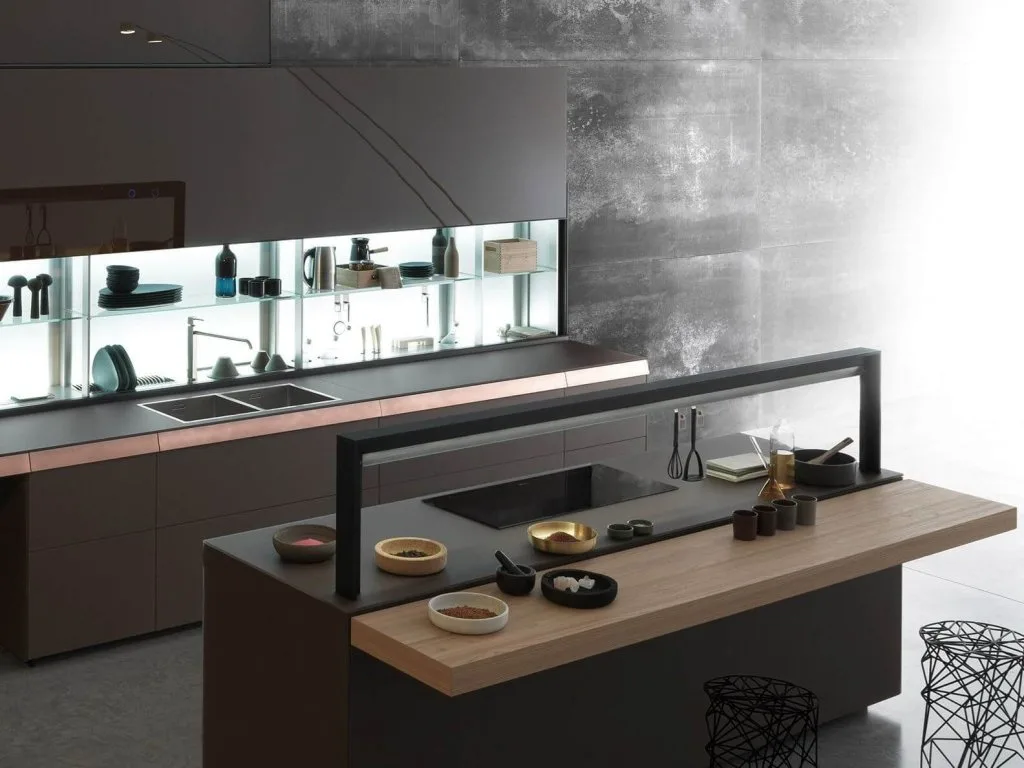
A modern kitchen must be functional and defined by streamlined, strictly geometric design, featured by wide-open countertops and horizontal cabinetry lines. Before focusing on aesthetics, prioritize spatial needs: families benefit from generous dining tables for shared meals, whereas couples or singles might prefer breakfast bars or cantilevered counters suited for casual entertaining.
In open-plan spaces, an island or peninsula layout fosters social connection, aligning seamlessly with the Italian lifestyle that treats the kitchen as the heart of the home. State-of-the-art appliances—such as induction hobs, downdraft or flush ceiling hoods, combi-steam ovens, and advanced storage wall systems like Valcucine's Air Logica System with V-motion—keep work surfaces clutter-free with a single motion.
Material selection for countertops should balance lifestyle utility with aesthetic preference. Current design trends advocate combining three or four complementary materials to create layered depth, cementing the kitchen's role as a focal point. Window placements, wall finishes, tactile surfaces, and strategic light design work in harmony to illuminate the space—an essential requirement for any cutting-edge kitchen.
THE MODERN LIVING ROOM
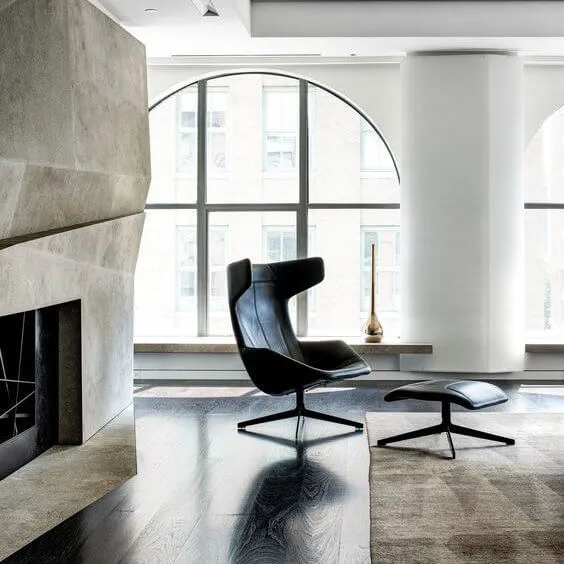
A modern living room should be curated according to lifestyle and personal taste. Incorporate a comfortable sofa with a chaise longue—such as dynamic models from Edra or Artnova featuring movable backrests for customizable seating. A collection of nesting side tables combining glass and metal enriches the space alongside a wall-mounted TV console and architectural shelving—such as Porro’s iconic library systems with sliding ladders. Where space allows, create a cozy reading nook with an armchair, a dedicated dining area defined by a statement dining table and dramatic chandelier, and a streamlined home office workspace.
Regarding color palettes, a 'total white' interior enhances natural light and visually expands proportions. Contemporary trends also emphasize tactile wall finishes—such as micro-cement, decorative resins, or plaster paired with oversized floor-leaning art panels. Accentuate the room with thoughtful details: geometric area rugs or subtle metallic wallpaper deliver striking visual texture.
DESIGNING A MODERN BEDROOM
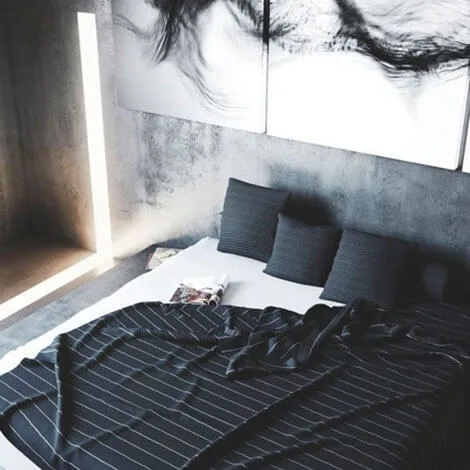
The bedroom is the most intimate sanctuary in the home. To create an inviting atmosphere, pay careful attention to soft textiles that add tactile warmth. The bed serves as the focal point: options range from upholstered frames in hypoallergenic fabrics to wood, saddle leather, or eco-leather. Modern nightstand pairing often favors asymmetrical nightstands—such as a clean-lined drawer module on one side balanced by a minimalist metal or glass side table on the other.
For wardrobe storage, custom walk-in closets are increasingly favored over traditional wardrobes. Integrated into the room with glass doors and internal LED lighting—such as Porro's elegant systems—they offer tailored organization, or can be concealed behind sliding or folding panels. For wall colors, soothing shades of off-white, soft beige, pale blue, or muted lavender promote tranquility. Flooring sets the tone: natural oak or teak parquet adds warmth, while high-grade laminates offer practical alternatives. Finally, layered lighting—designer table lamps, coordinating wall sconces, and ambient floor lamps—should complement the room's aesthetic while fulfilling functional needs.
DESIGNER BATHROOM FURNISHINGS
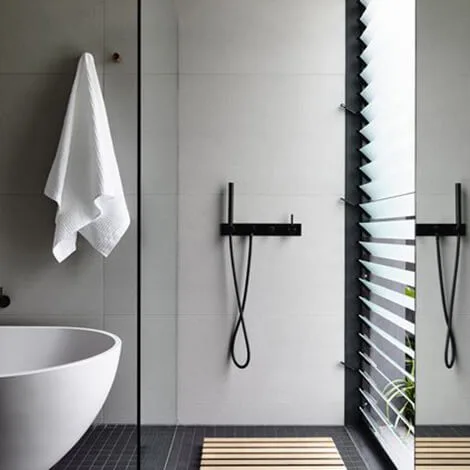
Finally, the bathroom has evolved into a dedicated wellness sanctuary for body care and relaxation. Modern bathrooms feature integrated vanity units and luxury amenities that maximize functionality. Oversized walk-in showers come equipped with hydrotherapy features—waterfalls, misting heads, chromotherapy, and targeted body jets—highlighted by contemporary collections from Antonio Lupi.
Corian has become a dominant material in high-end modern bathroom design, utilized for custom shower trays, sculptural freestanding tubs, and integrated basin tops. These pair elegantly with stainless steel, copper, or burnished brass fixtures, such as Gessi's latest collections. Combining noble materials—teak wood accents, raw stone, marble, decorative resin, and exquisite Bisazza glass mosaics—elevates the space. Frameless mirrors, refined color palettes, and ambient lighting schemes complete the spa-like ambiance.
Request Information