

One of the most resonant themes of recent years is the green movement, the focus on sustainability and ecology. But what do they have to do with interior design? Initially, reflections on eco-sustainability in a project mainly concerned the environmental impact of the product we create, whereas now the approach to the issue has become holistic. It now includes the choice to manufacture using clean energy and to approach object utility differently—abolishing, for instance, the disposable throwaway culture and looking instead to the product's future. In short, eco-design can be achieved on multiple levels, but always with a firm commitment to recycled materials. At Artheco, we start from this exact premise, embracing eco-sustainability in its broadest sense by championing furniture crafted from recyclable, recycled, or repurposed materials. In this way, production does not heavily impact existing natural resources, and end-of-life disposal does not harm the environment. Eco is much more than a trend; it is a whole new approach to design.
VALCUCINE’S INVITRUM | GREEN ENTERS THE KITCHEN
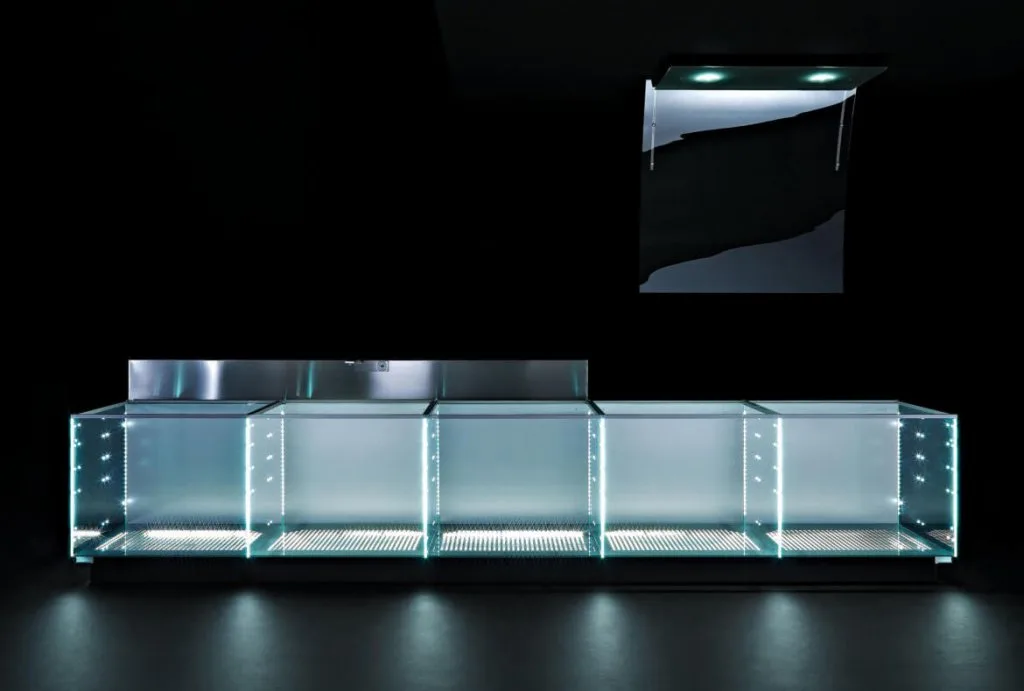
With an entirely 100% recyclable structure, Valcucine’s Invitrum kitchen becomes a symbol of sustainability for Artheco. After years of development and research, they have successfully created an aluminum framework to support the glass cladding, which together guarantee its eco-compatibility. Not only are the materials used obtained with the lowest possible energy expenditure, but at the end of their lifecycle, they will be reclaimed and reused, becoming a resource rather than a waste cost. Furthermore, the internal structure of the kitchen has been completely transformed: no longer featuring bulky chipboard carcasses, but side panels just 10mm thick—representing a significant saving in raw materials, storage, and transport space. The beauty lies in the fact that the result, both aesthetically and functionally, is absolutely innovative. Invitrum is a kitchen that is beautiful on the outside with a pulsing heart inside, featuring clean, modern lines and luminous details that bring lightness to its environment. Finally, the use of glass and the aluminum frame ensures the total recyclability of the unit, the absence of glues and formaldehyde emissions, as well as absolute resistance to water, steam, and heat.
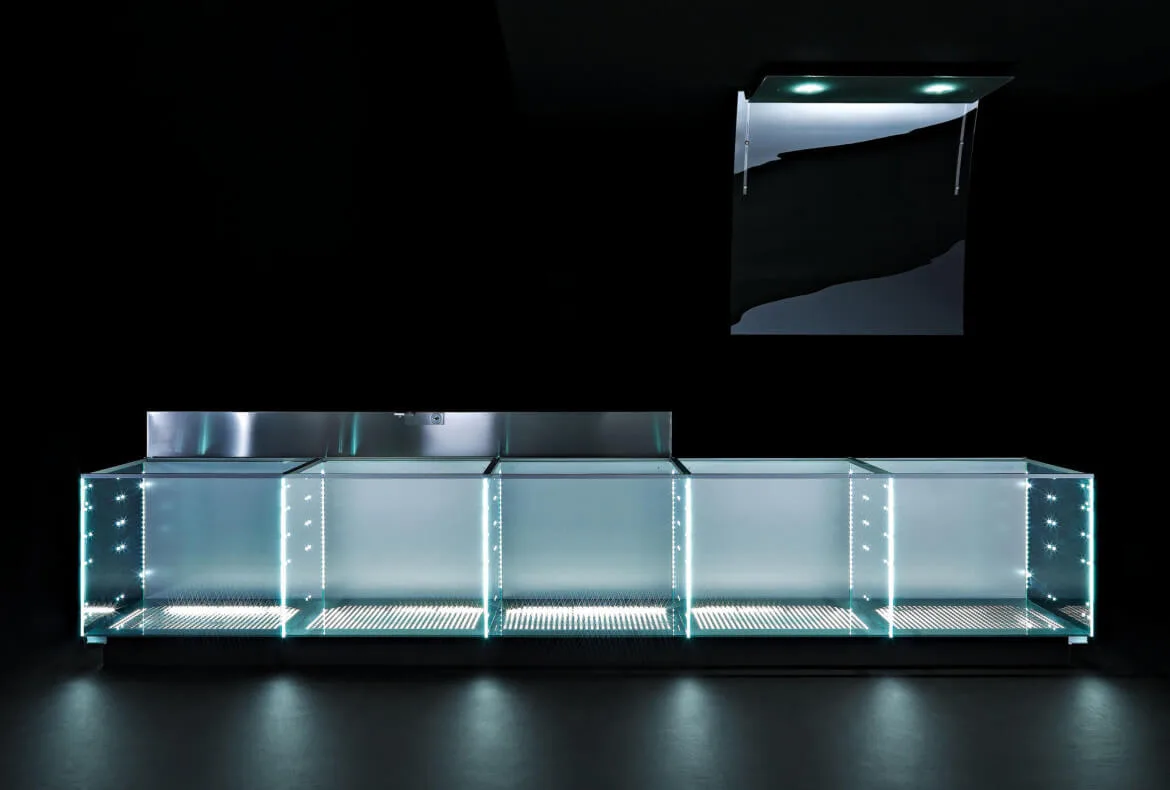
WANT TO DISCOVER ALL THE DETAILS OF INVITRUM? WE LOOK FORWARD TO WELCOMING YOU TO ARTHECO TO TAKE A LOOK.
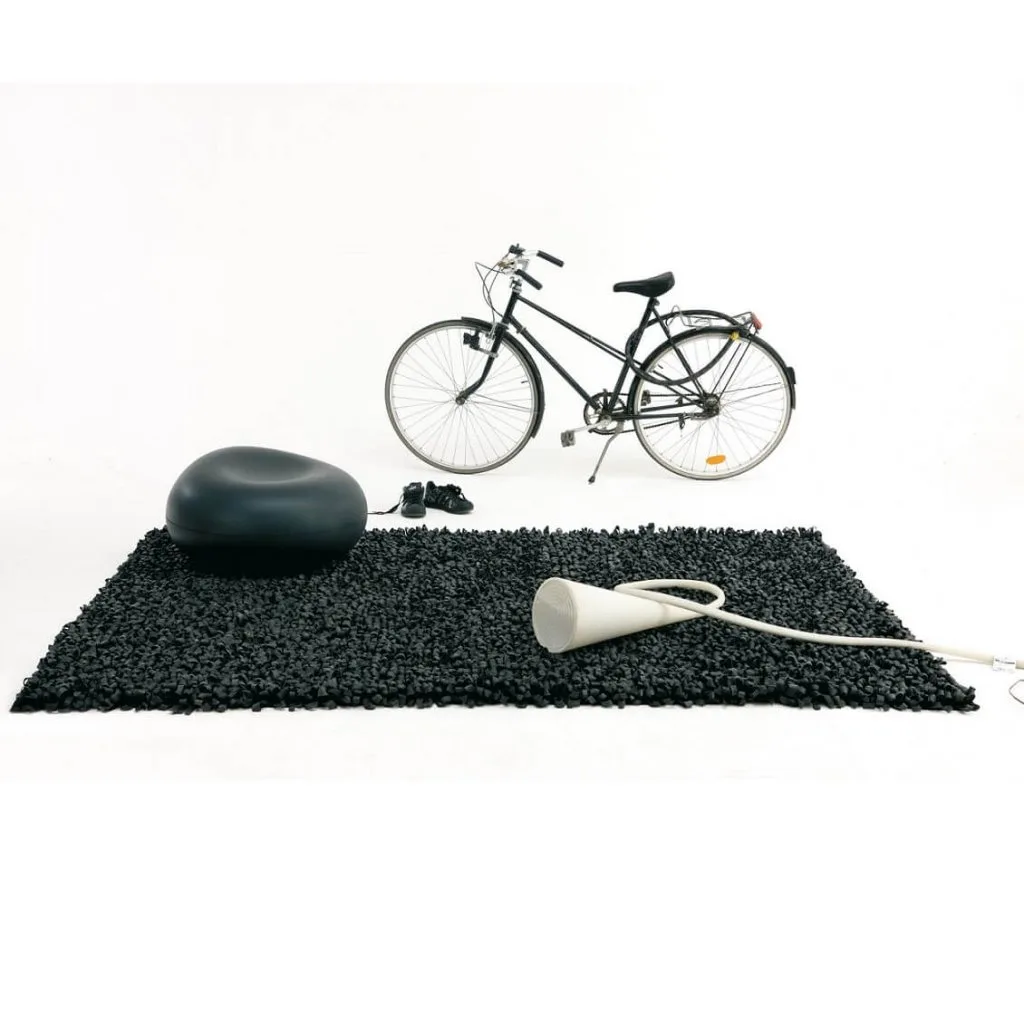
RUGS BY WOODNOTES AND NANIMARQUINA | THE SECOND LIFE OF MATERIALS
The pursuit of recycled materials, combined with a morally sustainable manufacturing process, has influenced every sector of design object production, extending even to rugs. Nanimarquina and Woodnotes have created highly unique rugs, using bicycle tires in one case and recycled paper in the other. The resulting aesthetics are naturally very different, reflecting distinct design philosophies: Nanimarquina’s Bicicleta is crafted using approximately 140 bicycle inner tubes. It is made in India—where the raw material also originates, given that bicycles are the most common mode of transport there—following a respectful labor philosophy, proudly bearing the Care & Fair logo, which guarantees a production process free from child labor exploitation. With its exuberant appearance, Bicicleta adapts perfectly to any space, indoor or outdoor, precisely because of its unique character: it could be the centerpiece of a modern living room or a sophisticated element for a study. On the other hand, Woodnotes' recycled paper rugs fit into the Nordic style tradition. The woven patterns are sophisticated, imparting a refined effect, while the soothing colors allow them to blend seamlessly anywhere without overpowering the existing decor, but rather completing it. The production features a wide range of fabrics, textures, and colors to choose from, all obtained with natural pigments. The yarns are a blend of cellulose and cotton, all organically produced and sourced from renewable natural resources. Both rugs represent a perfect synthesis of ecology, design, and art.
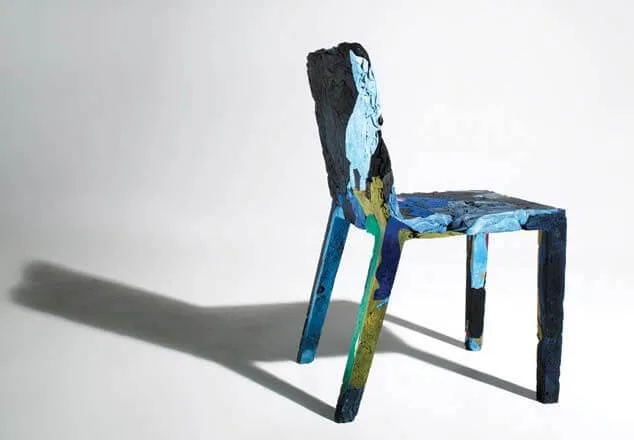
REMEMBERME BY CASAMANIA AND THE BRICCOLE BY RIVA 1920 | BACK TO THE FUTURE
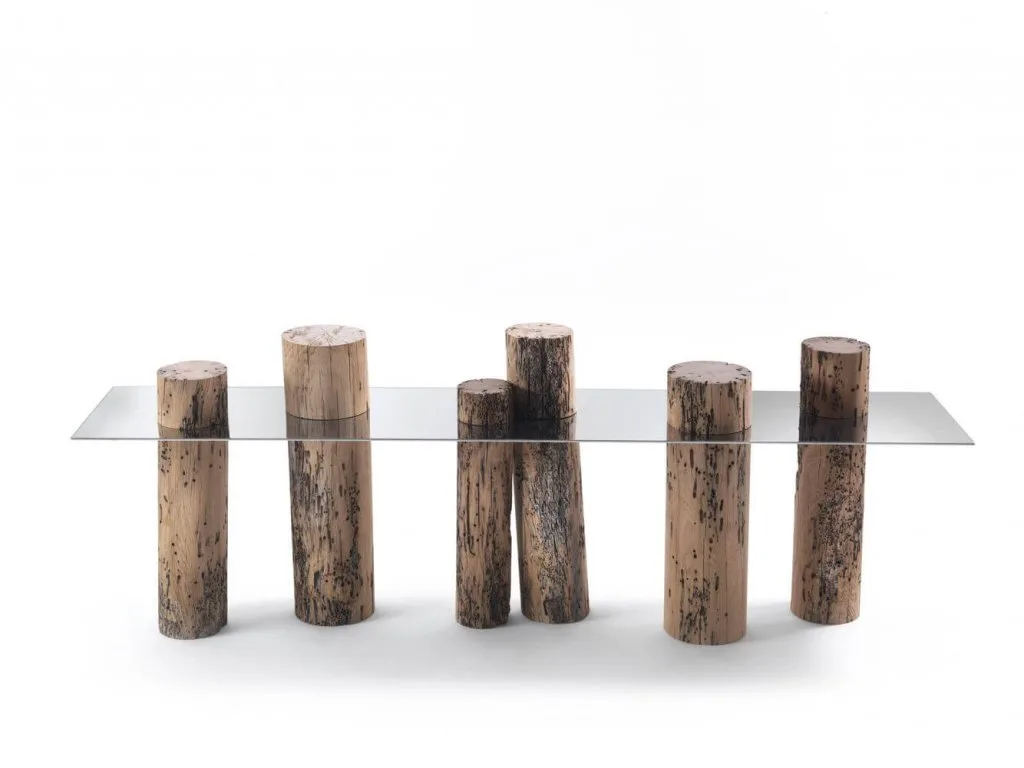
Reclaiming materials is not just a technique to avoid waste, but can also be an artistic choice that views reuse as an end, not just a means: recycling becomes a form of memory. This is exactly what Casamania does with the Rememberme chair. Its uniqueness lies not in its shape, but in the fact that it is made from salvaged jeans and t-shirts. These are not just any discarded clothes; the chairs can be custom-made using the client’s own garments, making each finished piece unique and unrepeatable—a permanent symbol of the memories it holds. Memories of travel and experiences are also at the heart of the Briccole series by Riva 1920: the products are made from the wooden poles (briccole) of the Venice lagoon, which are transformed into dining tables, seating, or sideboards. In this way, every lover of the floating city can bring a fragment of it home.
For us, sustainable design takes shape in many ways: in design choices, in the repurposing of materials that would otherwise be waste, and in reuse as a conceptual choice. In short, green does not mean boring or ineffective—quite the contrary. The latest market offerings, increasingly attentive to these issues, prove exactly that.
WANT TO FURNISH YOUR HOME WHILE RESPECTING THE ENVIRONMENT? WE WILL DESIGN A TAILOR-MADE SPACE FOR YOU.
Request information